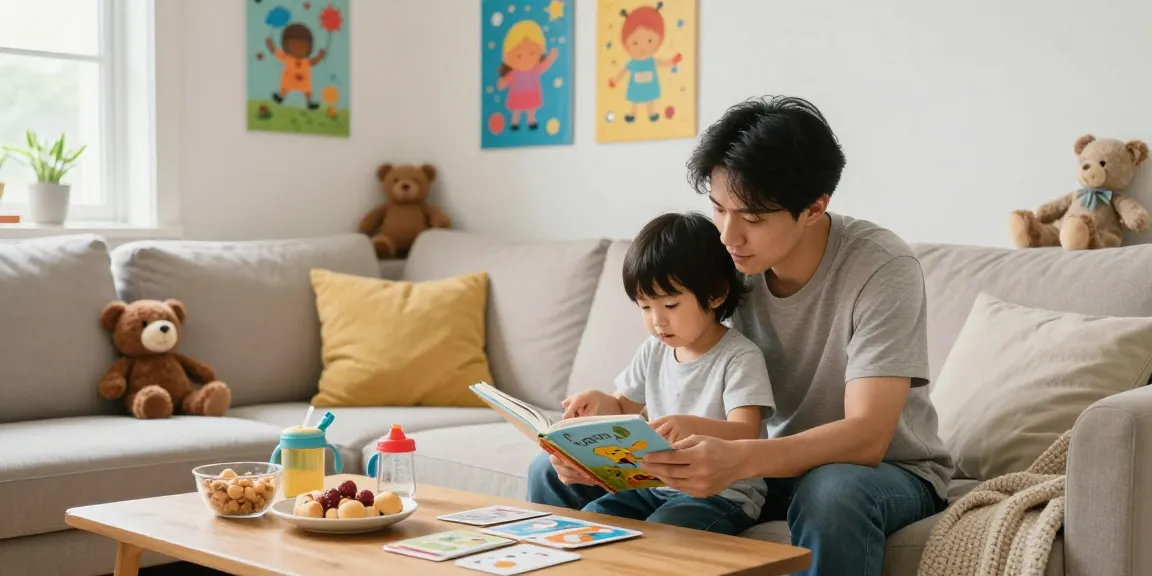
Understanding Your Child's Emotional Needs
Parenting is a complex journey filled with challenges, rewards, and learning experiences. At its core, understanding your child's emotional needs is crucial for fostering a nurturing environment. As parents, it is our responsibility to recognize signs of emotional distress, implement effective communication techniques, and practice active listening. This ensures that our children feel safe, valued, and understood in their formative years. When exploring options, https://mymommyworld.com provides comprehensive insights into the nuances of parenting that can help guide your approach.
Recognizing Signs of Emotional Distress
Every child expresses their emotions differently, and recognizing these signs is the first step to understanding their emotional landscape. Some common indicators include:
- Withdrawal from activities they previously enjoyed.
- Changes in sleep patterns or appetite.
- Sudden outbursts of anger or sadness.
- Increased anxiety or feelings of insecurity.
By paying close attention to these behaviors, parents can pinpoint underlying issues and address them promptly. Ignoring the emotional needs of children can lead to long-term psychological issues, making intervention paramount.
Effective Communication Techniques
Open communication is essential in understanding a child's emotional needs. Techniques such as:
- Using "I" statements to express feelings.
- Encouraging children to articulate their emotions.
- Validating their feelings instead of dismissing them.
These strategies foster a safe space for children to express themselves and reinforce the bond between parent and child.
The Importance of Active Listening
Active listening goes beyond just hearing words. It involves engaging with your child and showing empathy. This can be achieved by:
- Maintaining eye contact.
- Asking clarifying questions.
- Reflecting back what they’ve said to ensure understanding.
Active listening not only enhances communication but also builds trust, making children feel valued and encouraged to open up about their feelings.
Promoting Positive Parenting Practices
As parents, adopting positive parenting practices can significantly influence a child's development. It involves fostering an environment that is nurturing, supportive, and conducive to growth. Key practices include:
Implementing Positive Reinforcement
Positive reinforcement is an effective strategy to encourage desired behaviors. This can include:
- Verbal praise for good behavior.
- Reward systems for accomplishments.
- Celebrating milestones, no matter how small.
This approach not only boosts a child’s self-esteem but also reinforces the behaviors you wish to cultivate.
Setting Boundaries with Empathy
Establishing clear boundaries is essential for a child’s sense of security. However, how you enforce these boundaries matters significantly. Incorporating empathy while setting limits involves:
- Explaining the reasons behind rules.
- Listening to your child's feelings regarding the boundaries.
- Adjusting rules when appropriate, based on the child's development.
This balanced approach fosters respect for authority while allowing children to feel heard and understood.
Creating a Safe Home Environment
A safe environment is critical for emotional security. This includes:
- Physical safety: Ensuring the home is child-proof and free from hazards.
- Emotional safety: Maintaining an atmosphere free from criticism and negativity.
Children thrive when they feel secure; therefore, investing in their safety is paramount for their overall well-being.
Nutrition and Health for Growing Kids
Nutrition plays a vital role in a child's physical and emotional development. A balanced diet enables children to function optimally, both mentally and physically. Below are essential aspects to consider:
Understanding Nutritional Guidelines
Parents should be familiar with the basic nutritional guidelines, which include:
- Fruits and vegetables should make up half of a child's plate.
- Whole grains and lean proteins are ideal for sustained energy.
- Limiting sugars and saturated fats is crucial for long-term health.
By ensuring correct nutrition, parents can significantly affect their child's growth and developmental milestones.
Benefits of Family Meals
Family meals cultivate a sense of belonging and security. They provide opportunities for family bonding and can help in developing communication skills. Moreover, studies have shown:
- Children who have regular family meals are less likely to engage in risky behaviors.
- Eating together encourages healthier eating habits.
Thus, making time for family meals can greatly enhance familial relationships and children's well-being.
Dealing with Picky Eaters
Many parents struggle with picky eaters. To manage this challenge effectively, consider:
- Involving children in meal planning and preparation.
- Introducing new foods gradually and with patience.
- Offering a variety of healthy options without pressure.
Your approach to food can shape your child's attitudes towards eating and health for years to come.
Encouraging Educational Activities at Home
Creating a supportive educational environment at home can greatly enhance a child’s learning experience. Here are some effective strategies:
Integrating Play into Learning
Learning through play encourages creativity and critical thinking. Parents can:
- Facilitate games that promote learning, such as puzzles and educational board games.
- Encourage role-playing to develop social skills.
By integrating play into education, you make learning fun and engaging for your child.
Using Technology to Aid Education
In today's digital age, technology can be a significant educational tool. By carefully selecting educational apps and online resources, parents can:
- Ensure screen time is productive.
- Monitor content to align with educational goals.
When used responsibly, technology can greatly enhance your child’s learning experience.
Setting Up a Study Space
A designated study area helps children focus and associate that space with learning. Consider the following:
- Minimize distractions in the study area.
- Provide necessary supplies and resources.
Creating a dedicated space for learning fosters a positive attitude towards education and discipline.
Fostering Healthy Family Relationships
Healthy family relationships are the foundation of a child's emotional well-being. Here’s how to nurture these connections:
Balancing Screen Time and Family Interaction
With technology prevalent in every aspect of life, balancing its usage with family interaction is crucial. Strategies include:
- Establishing tech-free zones or times, such as during meals.
- Encouraging hobbies that can be done together, like arts or sports.
This balance promotes stronger family bonds and ensures quality time spent together.
Planning Quality Family Time
Quality family time does not have to be extravagant. It can be as simple as:
- Regular game nights.
- Family outings to parks or local attractions.
Planning these activities fosters connection and improves family dynamics.
Strategies for Conflict Resolution
Conflict is a natural part of family life. Equipping children with conflict resolution skills can serve them well throughout life. Strategies include:
- Teaching them to express feelings without aggression.
- Encouraging compromise and understanding differing viewpoints.
These skills not only resolve immediate issues but foster emotional intelligence in children.
How Can Parents Foster Better Communication with Their Children?
Improving communication can lead to stronger familial relationships. Techniques such as regular check-ins, using open-ended questions, and validating feelings can help in achieving this goal.
What Are Effective Strategies for Positive Parenting?
Positive parenting strategies include establishing routines, practicing patience, and being involved in your child's life. This holistic approach helps in building a strong parent-child connection.
How Can Nutrition Impact a Child's Development?
Proper nutrition is fundamental for cognitive and emotional development. It affects a child's behavior, concentration, and overall health, emphasizing the need for balanced diets.
What Activities Can Help Children Learn at Home?
Activities like reading together, educational games, and creative arts and crafts not only enhance learning but also reinforce the parent-child bond.
How To Create a Harmonious Family Environment?
A harmonious family environment is characterized by open communication, shared responsibilities, and quality time spent together. By actively working on these elements, families can create a loving and supportive space for growth.